
The Patient
Onyx came to us during a very vulnerable time in his life. After losing his brother and constant companion, he began struggling with anxiety and loneliness.
That emotional stress soon manifested physically. Onyx started excessively licking and scratching, which led to a secondary skin infection. His family brought him to Indian Trail Animal Hospital, where our team focused on relieving his discomfort, treating the infection, and helping him feel comfortable again.
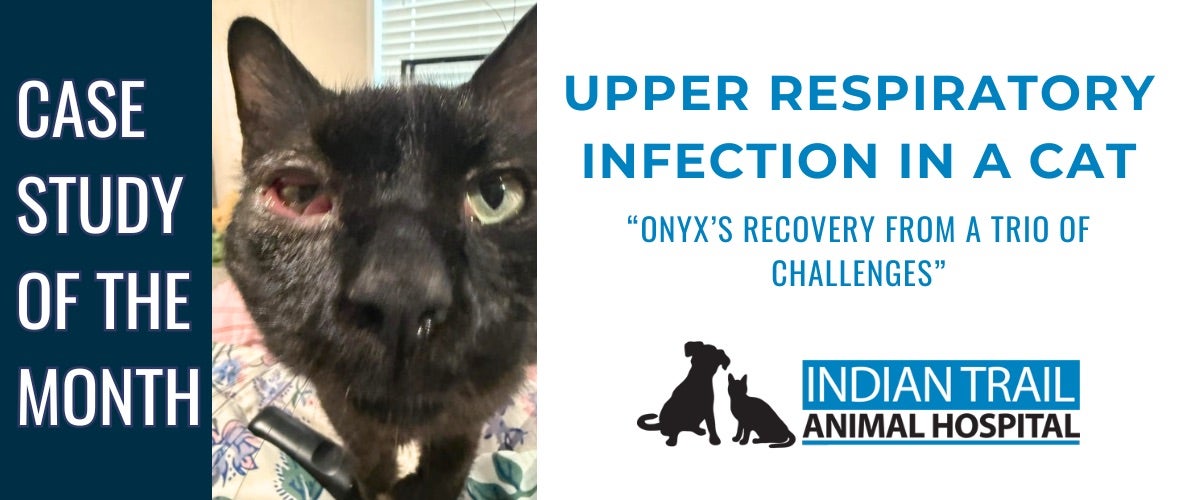
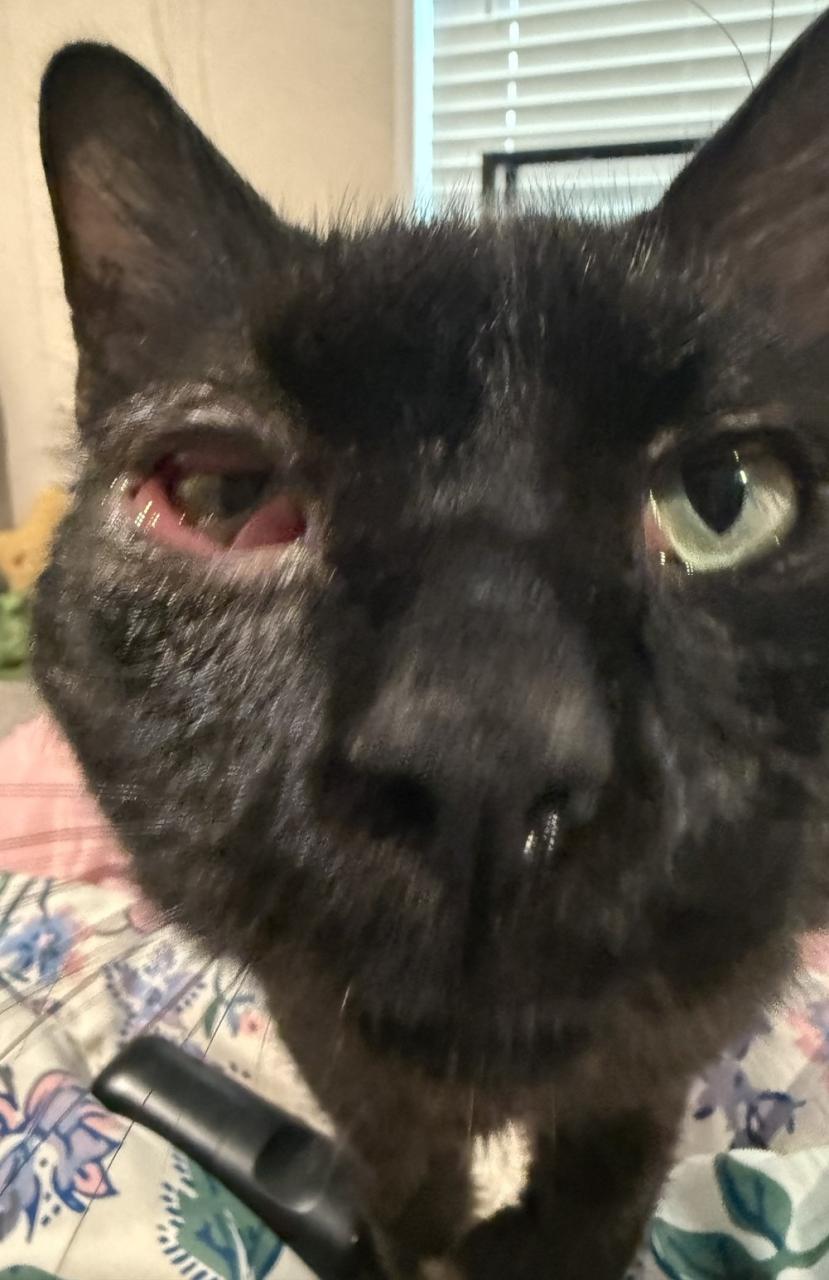
Just as he was beginning to improve, however, Onyx developed a new and concerning issue: a painful, red eye that required prompt evaluation and care.
Understanding Upper Respiratory Tract Disease in Cats
Eye infections in cats are often part of a broader category called feline upper respiratory tract disease (URTD). These conditions are:
- Common in cats
- Often contagious, especially in multi-cat households or shelters
- Frequently preventable with appropriate vaccination
- Capable of causing eye discharge, redness, squinting, sneezing, and nasal congestion
Stress—such as the loss of a companion—can weaken a cat’s immune system and allow dormant infections to flare up.
Prompt Care, Diagnostics, and Treatment
When Onyx’s eye symptoms appeared, our team got him in right away. Under the care of Dr. Tabony, we performed appropriate diagnostic testing to better understand the cause of his symptoms. Testing for feline upper respiratory disease can help guide treatment decisions and reduce the risk of spread to other cats.
Based on Onyx’s exam and test results, our experienced veterinarians prescribed a targeted treatment plan to address both infection and comfort.
A Happy Outcome
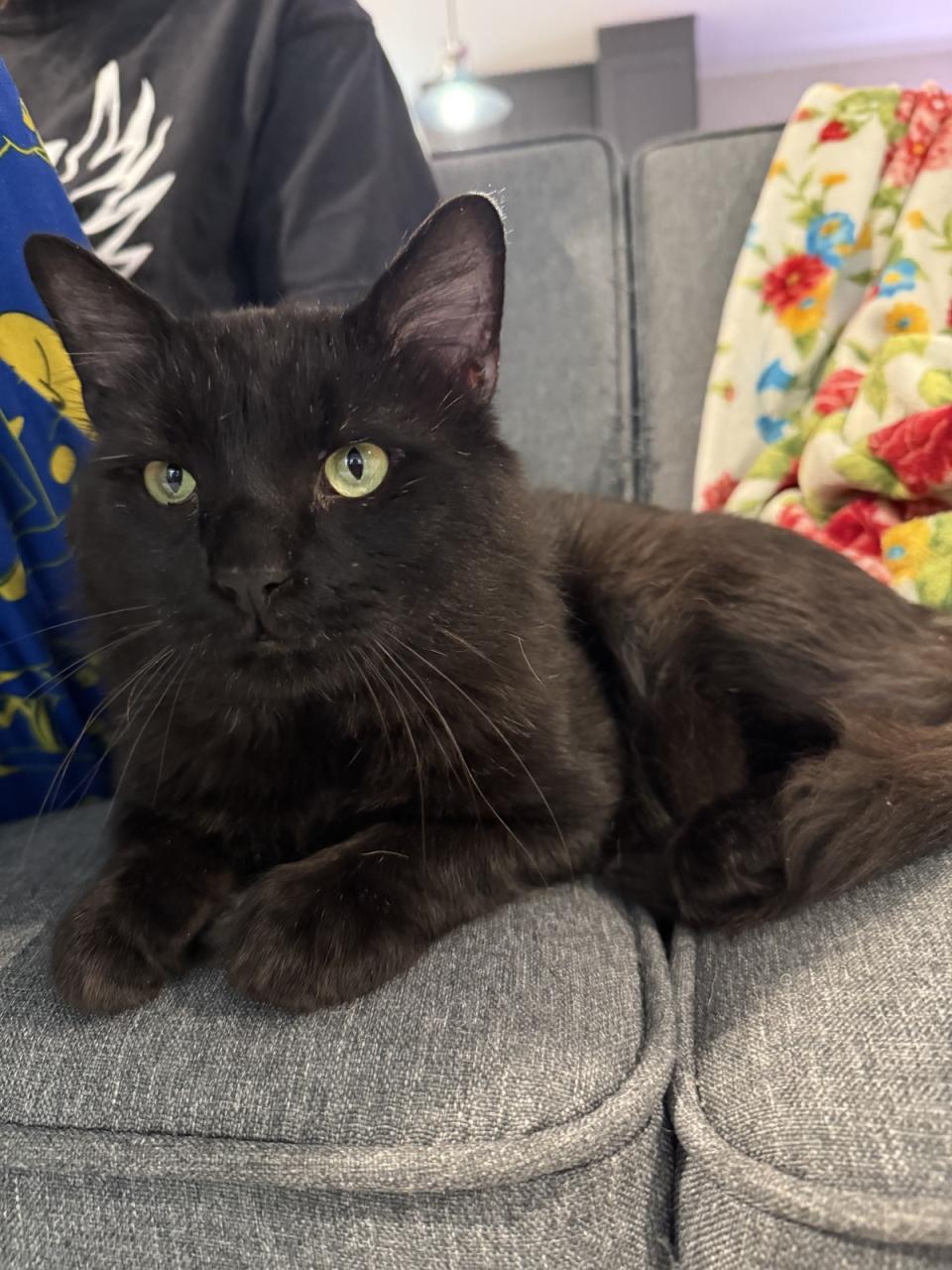
Thanks to prompt care and appropriate treatment, Onyx responded beautifully. His scratching resolved, his eye healed well, and he returned to being his happy, comfortable self.
Why Early Evaluation Matters
Upper respiratory infections and eye disease in cats:
- Can worsen quickly without treatment
- May spread to other cats
- Are often easier to treat when addressed early
If your cat is showing signs such as eye redness, discharge, squinting, sneezing, or behavior changes, early evaluation is key.
Compassionate Care You Can Trust
Onyx’s family shared how much they appreciated the compassion, patience, and dedication shown by the Indian Trail Animal Hospital team from day one. We’re honored to care for pets through both medical challenges and emotional transitions—and to support families every step of the way.
Concerned About Your Cat?
If your cat is experiencing eye issues, respiratory symptoms, excessive scratching, or changes in behavior, our team is here to help—please call or text Indian Trail Animal Hospital by phone at (704) 327-2166 or email us at [email protected] to schedule an examination and discuss diagnostic and treatment options with one of our experienced veterinarians.
You can also schedule online for your appointment here.