
Elphaba’s Story: A Faster Path to Recovery from Pancreatitis
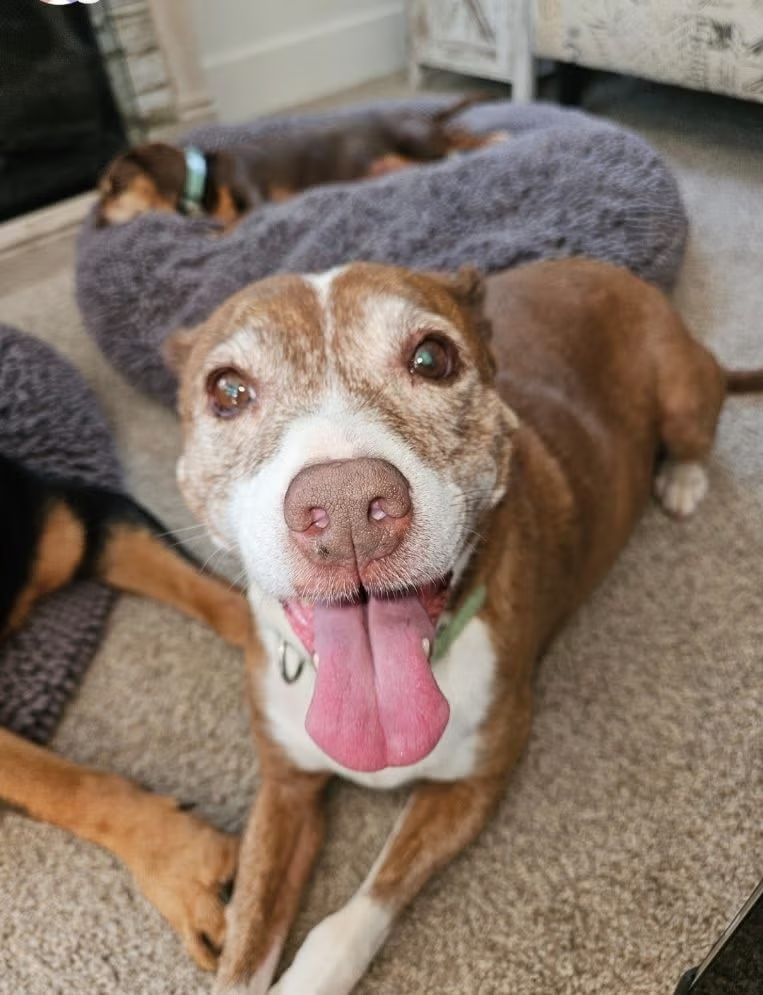
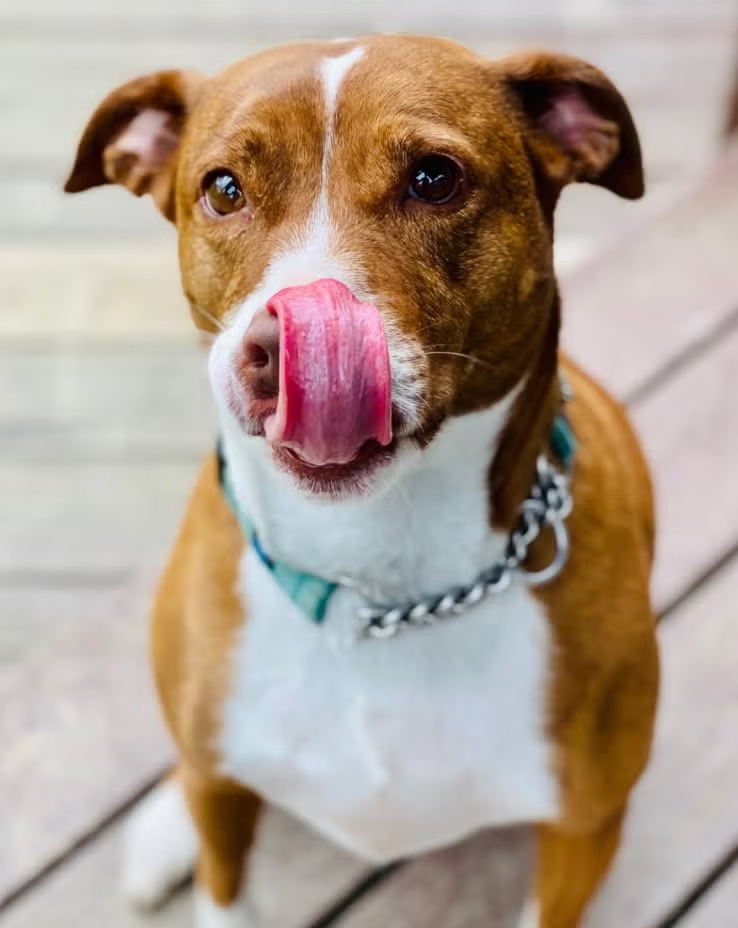
Ten-year-old Elphaba has been a beloved and healthy member of her family since she was just four weeks old. So when she suddenly became ill—vomiting and not wanting to eat—her owner knew something wasn’t right and brought her to Indian Trail Animal Hospital for an exam and diagnostics.
Elphaba’s bloodwork indicated pancreatitis, a painful inflammation of the pancreas. The good news? With prompt care and the right treatment plan, many pets recover well—and Elphaba did beautifully.
What Is Pancreatitis?
Pancreatitis is inflammation of the pancreas, an organ that helps with digestion and blood sugar regulation. When the pancreas becomes inflamed, it can cause significant discomfort and disrupt normal digestion. Pancreatitis can range from mild to severe, and in some cases it can require hospitalization for intensive support.
Common Clinical Signs of Pancreatitis
Pancreatitis doesn’t look the same in every pet, but common signs include:
- Vomiting (sometimes repeated)
- Decreased appetite or refusal to eat
- Diarrhea
- Abdominal pain (pets may hunch, act tense, or resist being picked up)
- Lethargy / weakness
- Dehydration
- Fever (less common)
- “Prayer position” (front legs down, rear end up—can indicate abdominal discomfort)
If your pet shows ANY of these signs—especially vomiting plus not eating—please call us right away. Early evaluation can make a big difference.
How We Diagnose Pancreatitis
Because pancreatitis can mimic other conditions (like intestinal upset, foreign body obstruction, or other abdominal disease), diagnostics help us confirm what’s going on and determine severity.
1) Physical Exam
We assess:
- Hydration status
- Abdominal tenderness/pain
- Temperature
- Overall comfort and stability
2) Bloodwork
Bloodwork can reveal changes consistent with inflammation, dehydration, electrolyte imbalance, or effects on other organs. This often includes:
- CBC (Complete Blood Count): looks for inflammation/infection indicators
- Chemistry panel: evaluates liver, kidney, and other organ function
- Electrolytes: helps guide fluid and supportive care
3) Pancreatitis-Specific Testing
Depending on your pet’s symptoms, we may recommend a pancreatitis-specific test to help confirm pancreatic inflammation.
4) Imaging (X-rays and/or Ultrasound)
- X-rays can help rule out intestinal obstruction or other causes of vomiting.
- Ultrasound can provide a closer look at the pancreas and surrounding tissues and may be recommended in more complex or severe cases.
Treatment Options: Supportive Care and Targeted Therapy
Panoquell®: Targeted Treatment for Pancreatitis Inflammation
Indian Trail Animal Hospital is proud to offer Panoquell® injections.
Panoquell is the first and only FDA-approved treatment specifically for the inflammation associated with pancreatitis. It is an IV injection given once daily for three days, and it has been shown to rapidly improve symptoms and speed recovery in appropriate patients.
Additional treatment depends on the severity of signs and diagnostic findings. Care may include:
- Anti-nausea medications
- Pain control
- Fluids (SQ or IV depending on dehydration and severity)
- GI support medications
- Dietary support (carefully chosen meals once appetite returns)
- Hospitalization for moderate to severe cases
Elphaba’s Recovery
In Elphaba’s case, her owner noticed she felt significantly better after the first injection, and she was back to 100% after the third. We’re thrilled for Elphaba and the Tetlow family that she is feeling great and has fully recovered!
When Should You Call Us?
Please contact us if your pet has:
- Vomiting plus not eating
- Repeated vomiting
- Signs of abdominal pain
- Lethargy that feels “more than usual”
- Vomiting/diarrhea with weakness or dehydration
Pancreatitis can worsen quickly, and pets often feel quite painful—prompt care matters.
If you’re concerned your pet may have pancreatitis—or if your pet is vomiting and not eating—please call Indian Trail Animal Hospital to schedule an examination. Our team will help you determine next steps and whether diagnostics are recommended the same day.
704-821-7040 (call or text)
Schedule online for your appointment here.